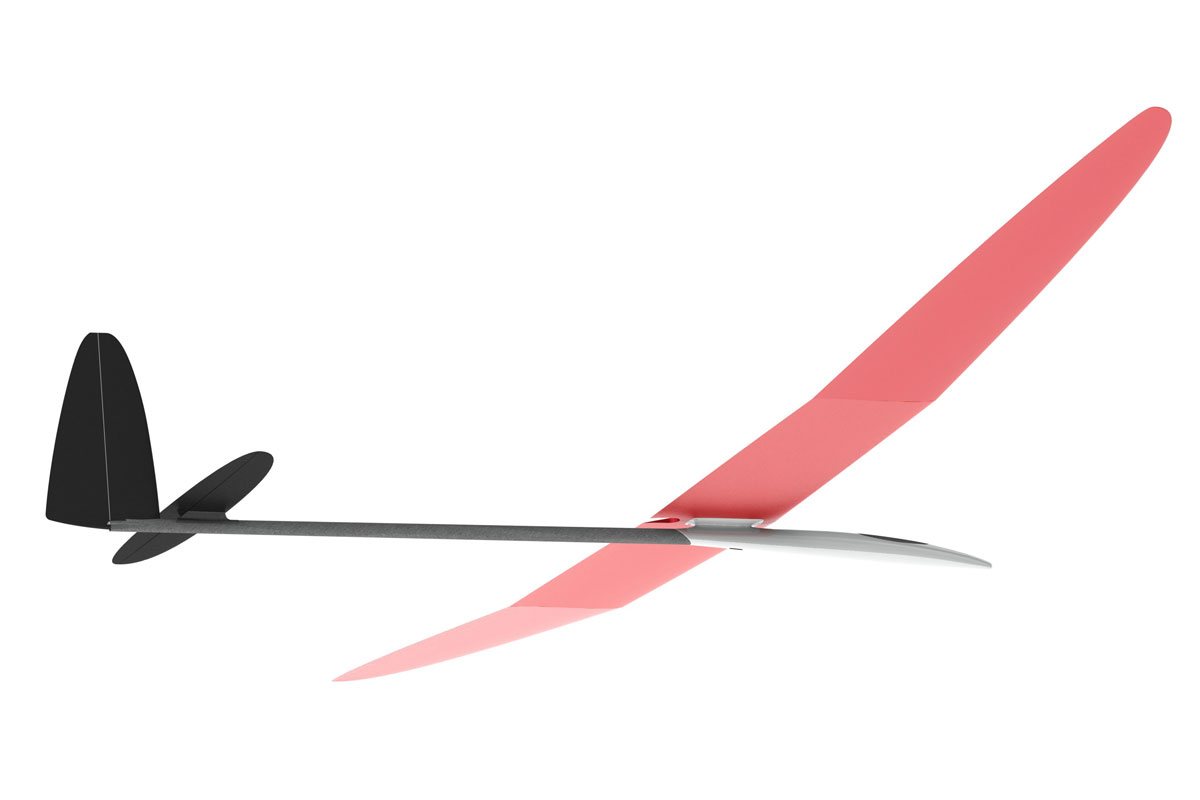
The Maxa Pro 4 is Vladimir's Models latest and best ever F3J thermal soarer. It features an advanced design by Joe Wurts, the legendary Word Championship winner of all glider classes, and professional aerodynamicist. Joe spent many months optimising the Maxa for the F3J thermal soaring class, but the large size, light weight, high aspect ratio, and well cambered airfoils also makes it ideal for sport flying.
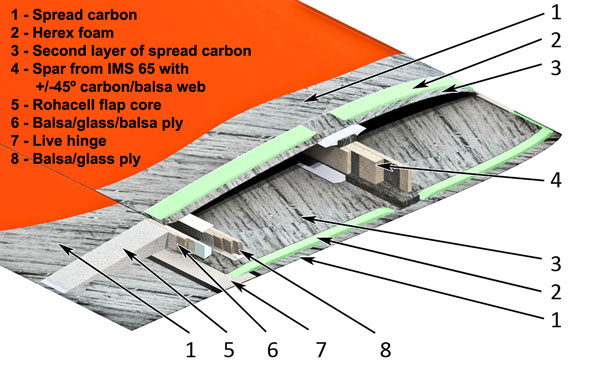
The large size and extreme light weight have been made possible by a new spread carbon fabric perfected by Vladimir Gavrilko and made by specially designed machines in his impressive fabrication facility. The wing is a monocoque structure with a skin of a double layer of spread carbon strengthened with a F3J strength spar made with a multi-ply 45º balsa and carbon shear web between substantial IMS 65 carbon spar caps. We are mostly stocking the "Light" (which used to be called the Hard Spread carbon) version. The even stronger "Windy" and "Storm" versions are available to special order.
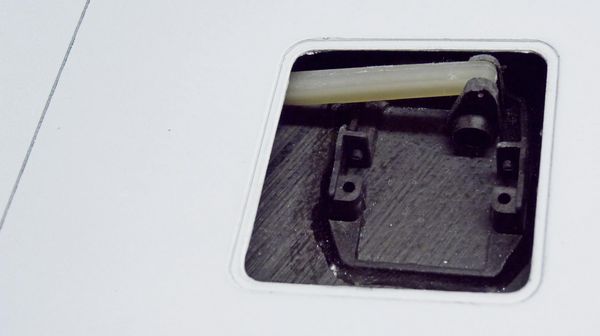
Most of the models we order have IDS sets already fitted to the wings, so aileron and flap servos can just be slotted into place in the Servorahmen bearing fames. We generally order the frames for MKS DS6100/HV6100 or Robbe/Futaba S3173 SVI servos, though other servo options may be ordered. These IDS sets include ready fitted optimised linkages, see Vladimir's site and the photo below, showing how the wing is delivered. The suppy and installation of these servo frames and linkages is shown by the IDS info below the colour option, below the price.
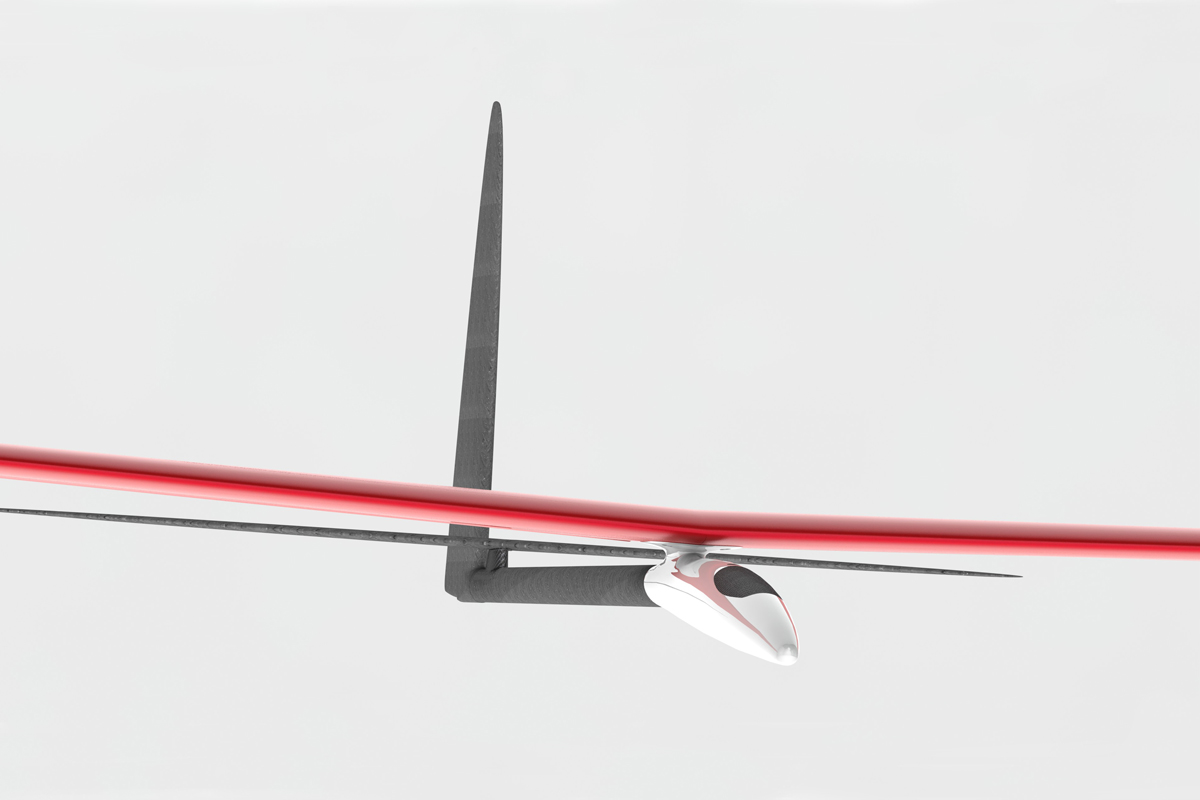
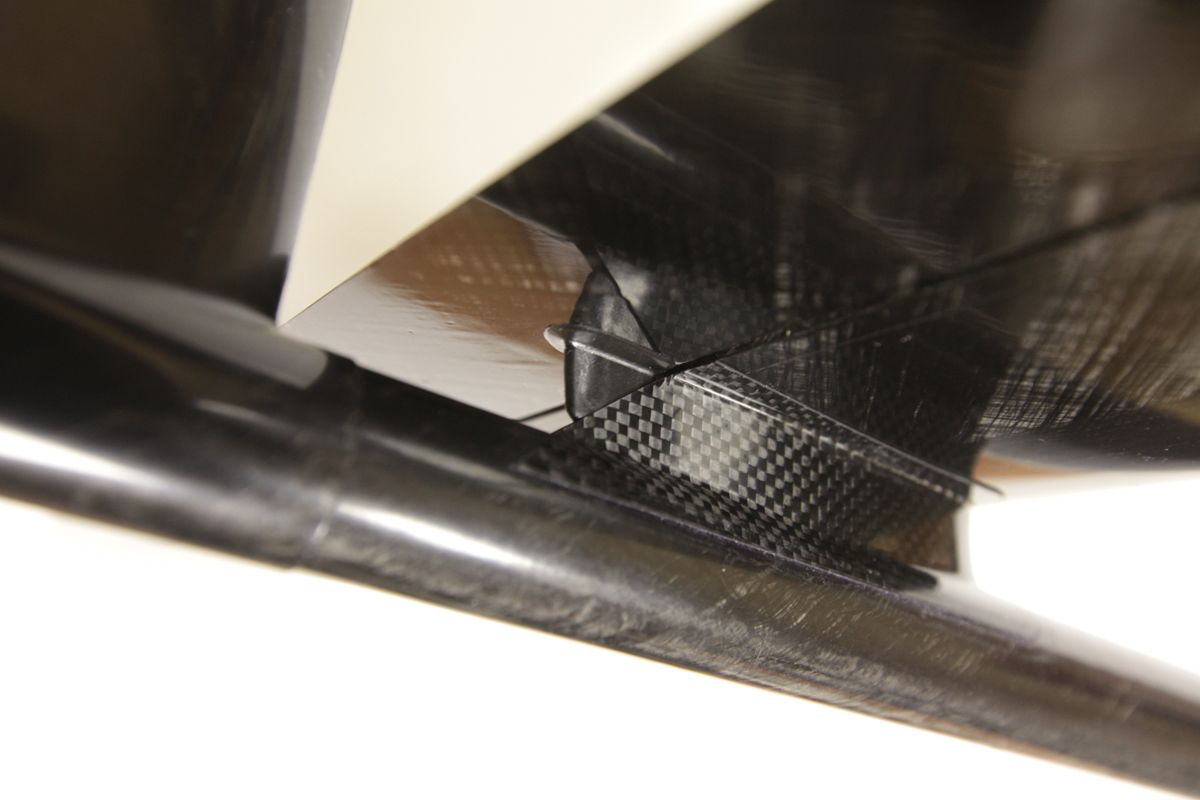
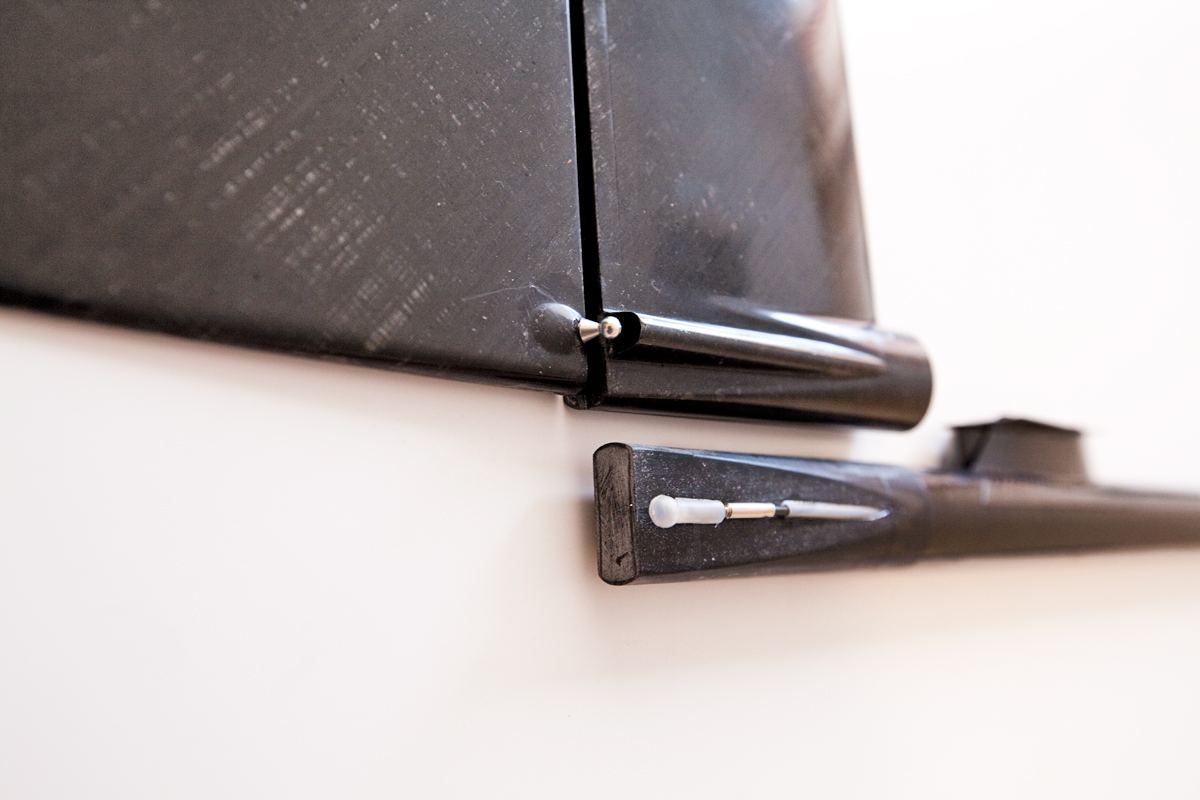
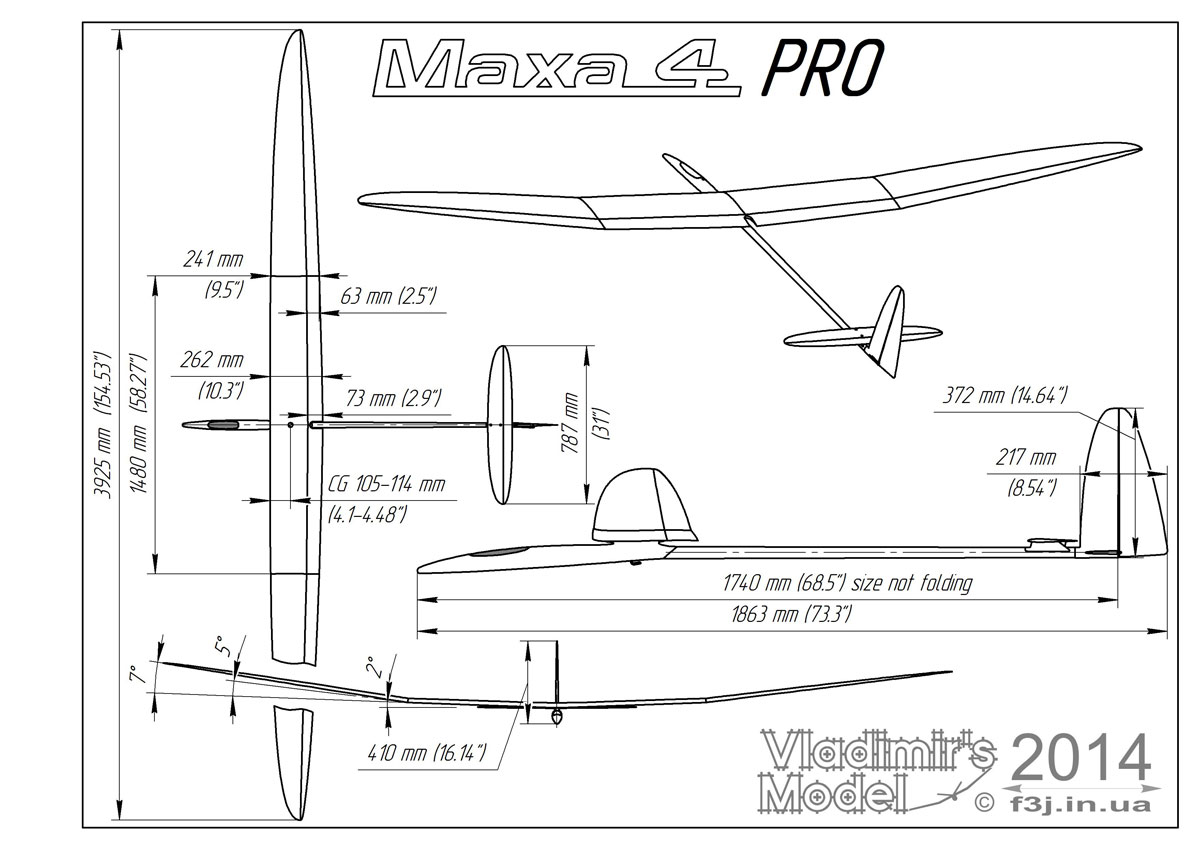
The latest Maxa Pro 4 models include a long tailboom and a lightweight spread carbon molded tailplane mounted on a short pylon to reduce drag. The tailplane (horizontal stabiliser) has a separate elevator to further increase stability and controllability. The solid molded tail construction improves strength and minimises weight - previously the rudder and tailplane were film covered built-up structures. The benefits of the new tail are:
Reduced tail drag
Increased rudder and elevator control effectiveness
Increased rigidity of tail and control system
Reduced tail weight
Removable fin for easier transport
To achieve these improvements Vladimir's Models changed to an elliptical shape tail boom. Stiffness of the boom is increased by more than two times and the weight is increasing by just 9%. The tail boom is narrowed towards the end to reduce aerodynamic drag. The all new fin and stabilizer are constructed from solid core Rohacell and covered with ultralight Carboline 26 g/m ². The tailplane's carbon spars are made from pre-stretched and uniformly impregnated rovings and laid into the slots in the core.
Cut away drawing of the Maxa "Light" wing construction.
Cut away drawing of the Maxa spar, showing the IMS 65 carbon spar caps, and the +/- 45º balsa/carbon/balsa ply spar web.
The fuselage is a well engineered Kevlar and carbon pod, with a diagonally wound spread carbon boom, and fin mounted cruciform tail. The model is totally complete, and almost no assembly is required. The tail pushrods are ready installed, and all the hardware is supplied for the wing servo installation. The model comes with a ballast tube and a wiring harness. The benefits of the Maxa include:
The Maxa’s aerodynamic qualities have been modelled to a new level of accuracy and by Joe Wurts. In the process Joe designed a new family of airfoils and optimised the shape of the model to get the best from the new spread carbon composites being developed by Vladimir. The result is a very low sink rate that ensures the longest duration in no-thermal conditions, while also maintaining gentle handling that inspires confidence from the first flight.
The Maxa’s low wing loading and inertia makes it very respond to tiny air disturbances, allowing small bubbles to be detected and worked from low down, allowing short F3J tows and high scores.
The Maxa 4’s large span allows it to be seen further away than smaller models, allowing a larger volume of air to be searched, and thermals worked for longer. This is especially important for the 15 minute fly-off task.
The excellent lift/drag ratio, especially at higher speeds, gives good penetration, and thus the ability for the glider to return from distant thermals with little altitude loss.
The long nose moment means little weight is required to balance the model, keeping the wing loading low, and the launch acceleration high.
As the ballast system allows the model’s weight can be tuned to the conditions, allowing the Maxa to shine in even the strongest wind.
This combination of state of the art aerodynamics, low weight, and a good size makes the Maxa 4 the best model for competitive F3J soaring, bar none. See this RCGroups Maxa discussion and the Vladimir's Models Maxa 4 page for a lot more info.
This is my second Maxa pro 4m F3j plane. The finish is up there with the best and I have opted again to go with the windy lay-up. A very competitive and easy model to fly.
The latest model has picked up on earlier customer feedback and goes together very easily. One tip though. When fixing the boom to fuz do check the fit first with the spigot on the pod. The pro has a long boom and the fit needs to be tight to avoid the glue joint subsequently failing.






 447821351341
sales@hyperflight.co.uk
Contact Form
447821351341
sales@hyperflight.co.uk
Contact Form