Maxa 4e
Product Code: MAXA-4E
Description
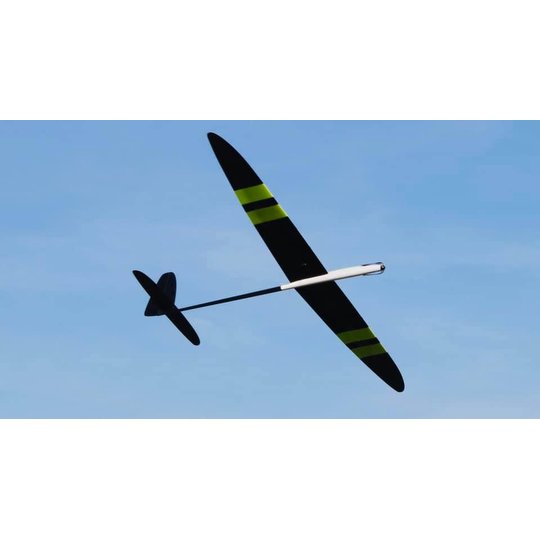
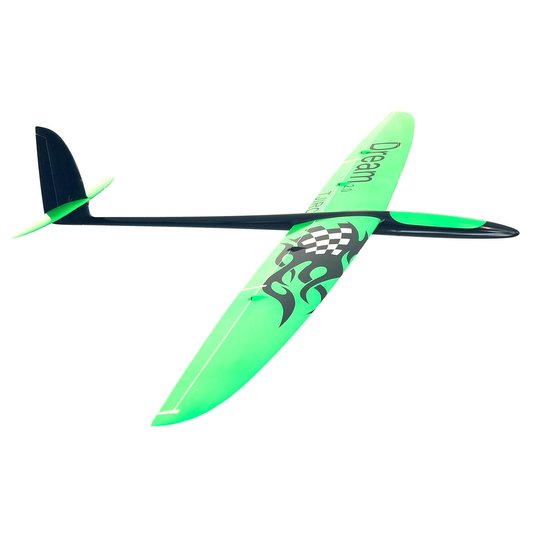
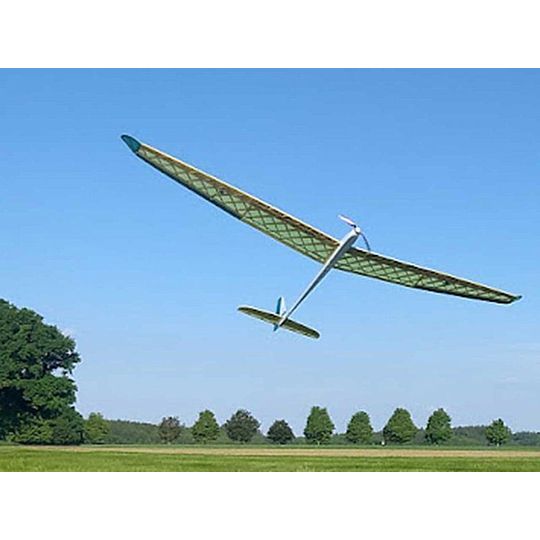
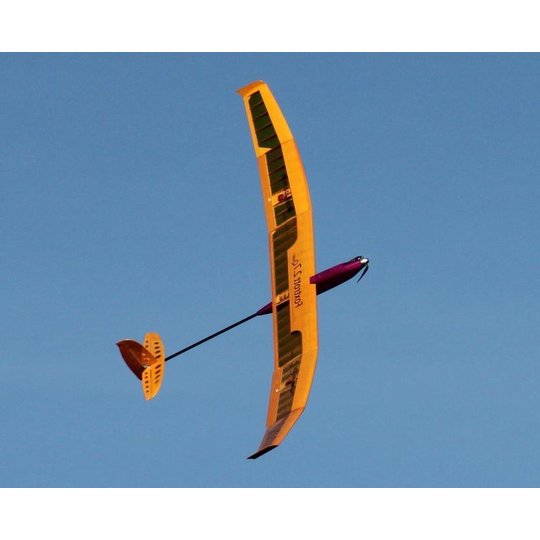
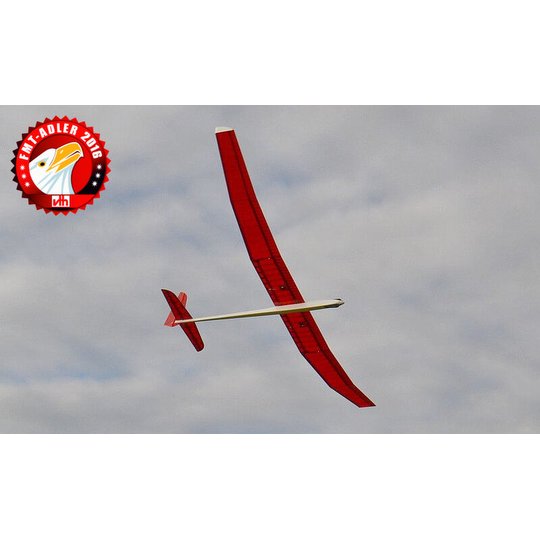
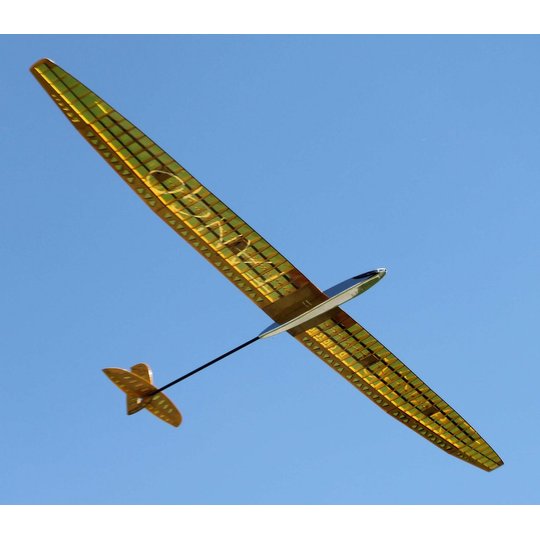
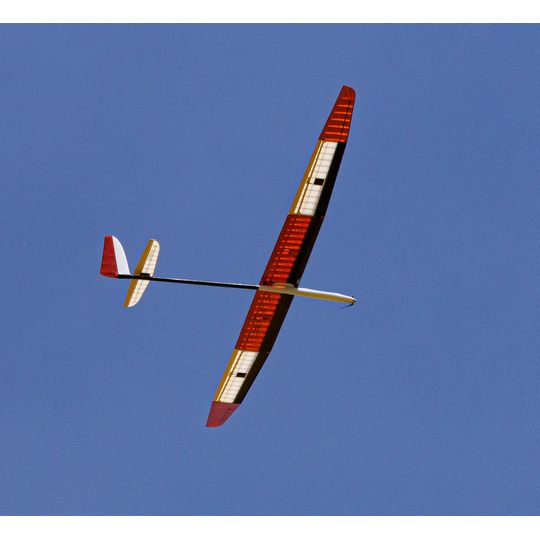
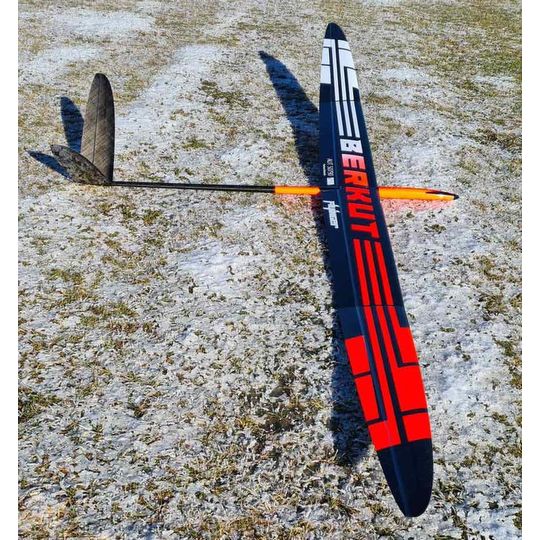
Maxa 4e
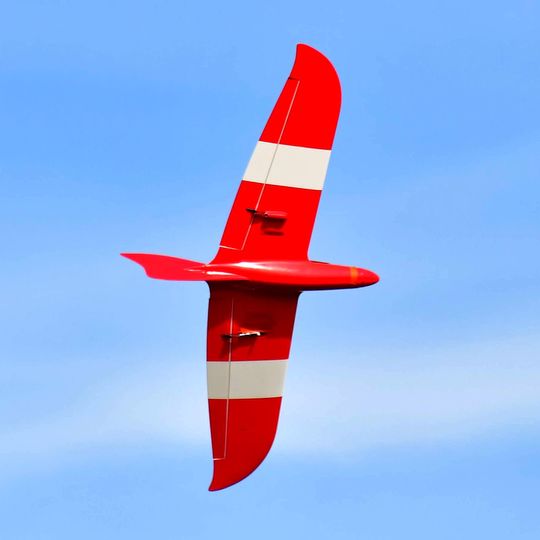
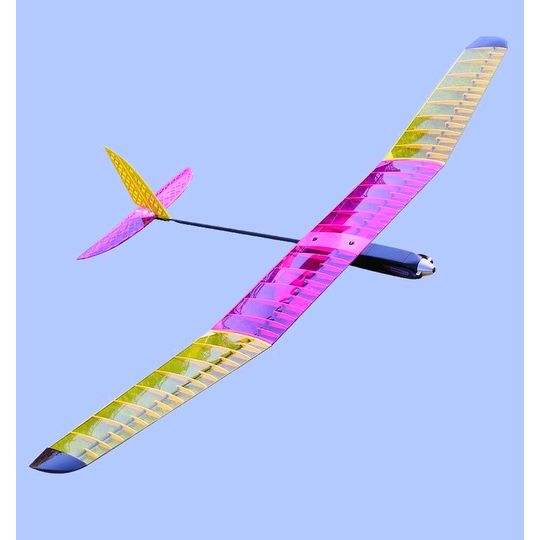
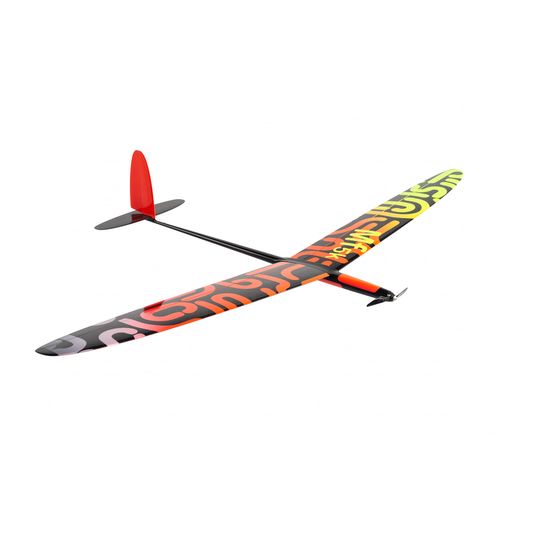
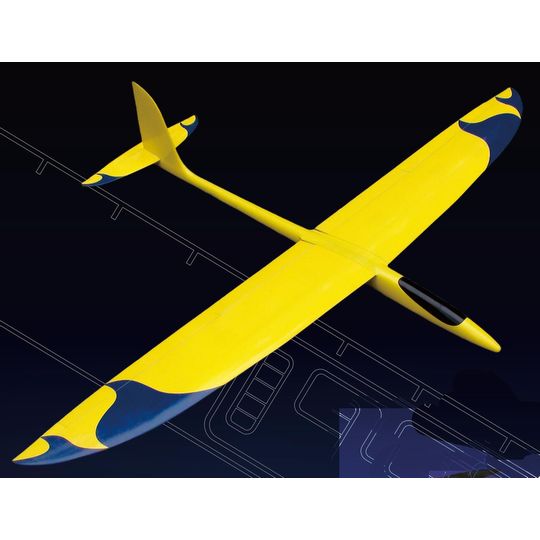
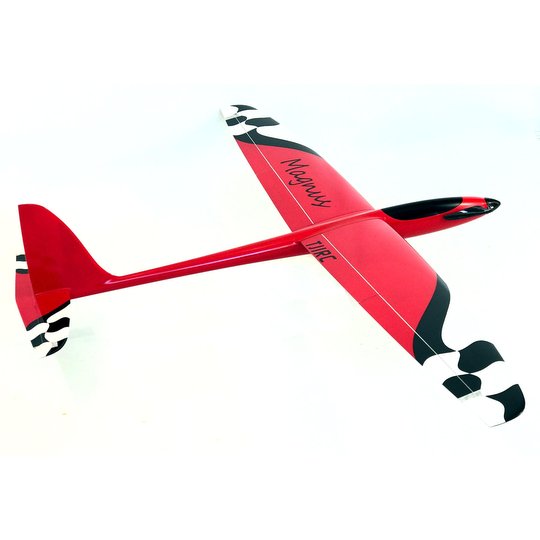
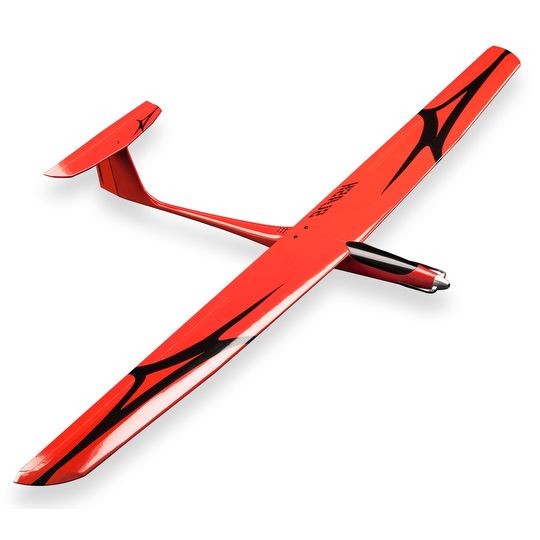
The Maxa 4e is Vladimir's Models latest and best ever electric glider. It features an advanced design by Joe Wurts, the legendary Word Championship winner of all glider classes, and professional aerodynamicist. Joe spent many months optimising the Maxa for the F3J thermal soaring class, but the large size, light weight, high aspect ratio, and well cambered airfoils also makes it ideal for electric thermal soaring, especially the new FAI F5J class and the popular UK eSoaring class.
The large size and extreme light weight have been made possible by a new spread carbon fabric perfected by Vladimir Gavrilko and made by specially designed machines in his impressive fabrication facility. The wing is a monocoque structure with a skin of a double layer of spread carbon strengthened with a F3J strength spar made with a multi-ply 45º balsa and carbon shear web between substantial IMS 65 carbon spar caps. We are mostly stocking the "Light" (which used to be called the Hard Spread carbon) version. The even stronger slightly heavier "Windy" (double Hard Spread carbon) version is available to order if not in stock.
In mid 2012 the tailplane (called horizontal stabiliser or elevator in some countries) size was increased by about 10%. The latest 2013 Maxa 4 models include a 13 cm longer tailboom to further increase stability and controllability. To ensure that handling is kept sweet in the rear servo electeric version we highly recommend that lightweight tail servos are used (MKS DS65K) and ultralight tail extension leads are made up.
Cut away drawing of the Maxa "Light" wing construction.

Cut away drawing of the Maxa spar, showing the IMS 65 carbon spar caps, amd the +/- 45º balsa/carbon/balsa ply spar web.

The fuselage is a well engineered Kevlar and carbon pod, with a diagonally wound spread carbon boom, and fin mounted cruciform tail. The model is totally complete, and almost no assembly is required. The tail pushrods are ready installed, and all the hardware is supplied for the wing servo installation. The model comes with a ballast tube (for windy conditions) and a wiring harness.
The Maxa 4e is the first high performance glider designed from the start for the new F5J rules, whose main requirement is reliable soaring from low altitude, as higher “Start Heights” count against the final score. The 30 second climb window is generous, so high-power heavy motors are not required, and the model can be kept very light.
This combination of state of the art aerodynamics, low weight, and a good size makes the Maxa 4e the best model for competitive F5J soaring, bar none. See this RC Groups Maxa 4e thread and the Vladimir's Models Maxa 4 EL page for a lot more info. Our thank to Ade & Phil for the new Carboline colour scheme photos, and Artem for others.
Recomended Powertrain
Aeronaut 17 x 9 folder on a 32mm HyperSpinner
Hacker A20-6XL Evo with 4.4:1 Maxon gearbox
60A ESC
3S 1.3Ah 65C LiPo (could also use 3S 850mAh 65C up to a 2.2Ah LiPo)
Rear MKS DS6100 servos
No ballast required
Gives a climb rate of 11 m/s (2200 fpm) at a flying weigh of 1863 g (65.7 oz)
Other porwertrain options:
Mega 16/15/3 with 5.2:1 Kontronik, 4S 1.8Ah LiPo, 14x8 prop, (10 m/s)
Hacker A20-6XL geared 4.4:1, 3S 1.3Ah LiPo, 16x9 Aeronaut prop (9.5 m/s, 1900 fpm, 46A)
Scorpio Rockamp HK-2221-7-3900, Reisenauer 5:1 gearbox , 14x8 RFM prop, YGE 60A and 3S 1300 65C LiPo (55A)
NEU 1105 2.5Y geared 4.4:1, 3S 1.3Ah LiPo, 14x8 prop (9 m/s, 40A)
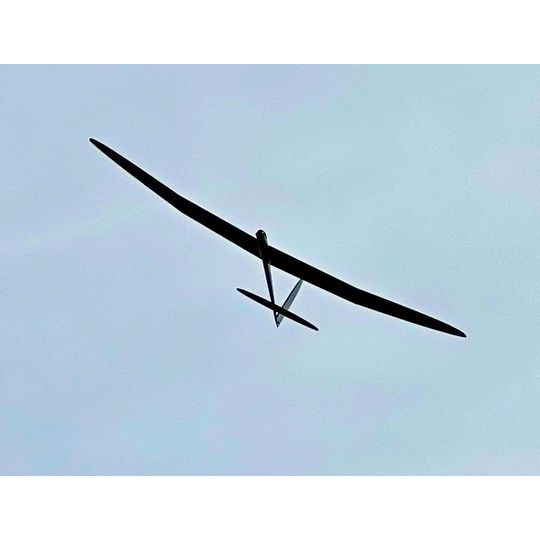
Our thanks to Artem for use of his great photos.
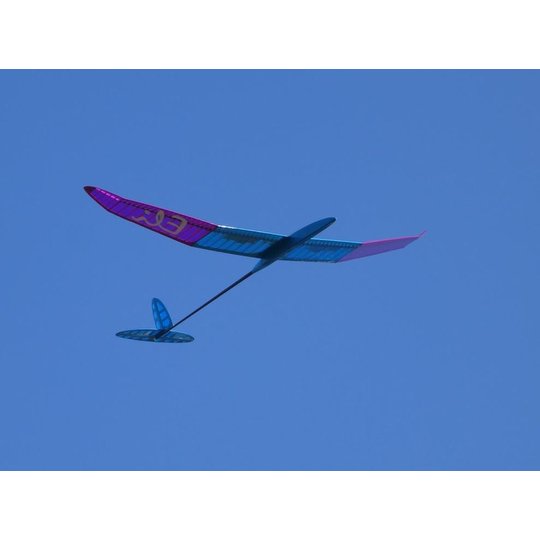
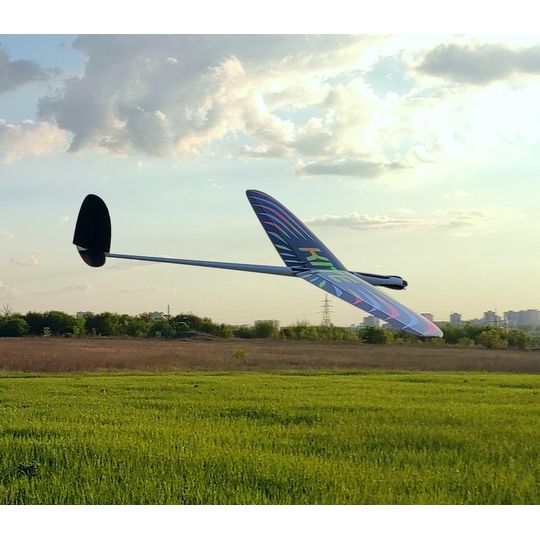
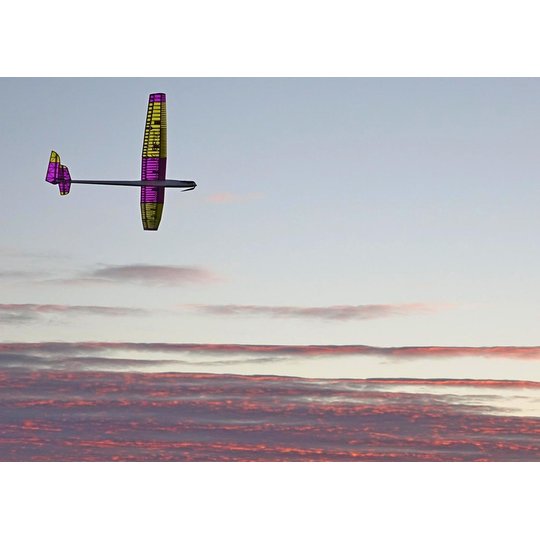
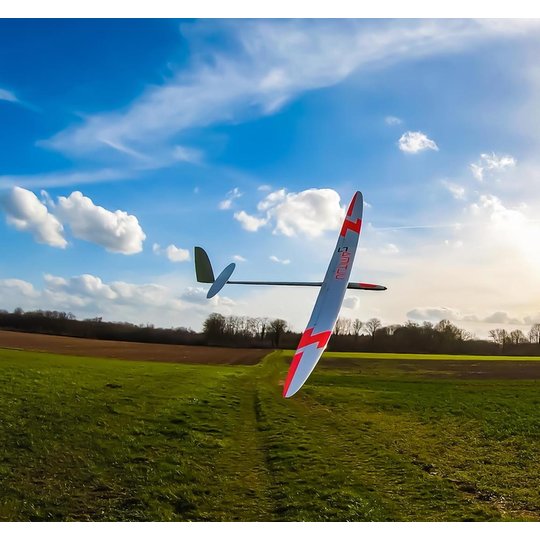
First flight of a UK Maxa with a new Carboline colour scheme. Was climbing while looping.
The large size and extreme light weight have been made possible by a new spread carbon fabric perfected by Vladimir Gavrilko and made by specially designed machines in his impressive fabrication facility. The wing is a monocoque structure with a skin of a double layer of spread carbon strengthened with a F3J strength spar made with a multi-ply 45º balsa and carbon shear web between substantial IMS 65 carbon spar caps. We are mostly stocking the "Light" (which used to be called the Hard Spread carbon) version. The even stronger slightly heavier "Windy" (double Hard Spread carbon) version is available to order if not in stock.
In mid 2012 the tailplane (called horizontal stabiliser or elevator in some countries) size was increased by about 10%. The latest 2013 Maxa 4 models include a 13 cm longer tailboom to further increase stability and controllability. To ensure that handling is kept sweet in the rear servo electeric version we highly recommend that lightweight tail servos are used (MKS DS65K) and ultralight tail extension leads are made up.
Cut away drawing of the Maxa "Light" wing construction.

Cut away drawing of the Maxa spar, showing the IMS 65 carbon spar caps, amd the +/- 45º balsa/carbon/balsa ply spar web.

The fuselage is a well engineered Kevlar and carbon pod, with a diagonally wound spread carbon boom, and fin mounted cruciform tail. The model is totally complete, and almost no assembly is required. The tail pushrods are ready installed, and all the hardware is supplied for the wing servo installation. The model comes with a ballast tube (for windy conditions) and a wiring harness.
The Maxa 4e is the first high performance glider designed from the start for the new F5J rules, whose main requirement is reliable soaring from low altitude, as higher “Start Heights” count against the final score. The 30 second climb window is generous, so high-power heavy motors are not required, and the model can be kept very light.
- The Maxa’s aerodynamic qualities have been modelled to a new level of accuracy and by Joe Wurts. In the process Joe designed a new family of airfoils and optimised the shape of the model to get the best from the new spread carbon composites being developed by Vladimir. The result is a very low sink rate that ensures the longest duration in no-thermal conditions, while also maintaining gentle handling that inspires confidence from the first flight.
- The Maxa’s low wing loading and inertia makes it very respond to tiny air disturbances, allowing small bubbles to be detected and worked from low down, allowing low Start heights and high F5J scores.
- The Maxa 4e’s large span allows it to be seen further away than smaller models, allowing a larger volume of air to be searched, and thermals worked for longer. This is especially important for the 15 minute flyoff task.
- The excellent lift/drag ratio, especially at higher speeds, gives good penetration, and thus the ability for the glider to return from distant thermals with little altitude loss.
- The long nose moment allows very lightweight powertrains to be used to balance the model.
- As the electric version retains the ballast system of the glider version, the model’s weight can be tuned to the conditions, allowing the Maxa to shine in even the strongest wind.
This combination of state of the art aerodynamics, low weight, and a good size makes the Maxa 4e the best model for competitive F5J soaring, bar none. See this RC Groups Maxa 4e thread and the Vladimir's Models Maxa 4 EL page for a lot more info. Our thank to Ade & Phil for the new Carboline colour scheme photos, and Artem for others.
| Maxa 4e Specifications | ||
| Wing span | 3.9 m | 155 in |
| Wing area | 82.2 dm2 | 1273 sq in |
| Length (2013 version) | 186 cm | 73.2 in |
| Flying weight from | 1842 g | 65.0 oz |
| Wing loading | 22.4 g/dm | 7.3 oz/sq ft |
| Aspect ratio | 18.8 | |
| Wing airfoil | rt01/td19sag/j00/j01/j02/j03 | |
| Dihedral (EDA) | 6.0º | |
| Spinner Diameter | 32 mm | |
| Centre of Gravity | 95-112 mm from wing leading edge | |
| Controls | Rudder, elevator, ailerons, flaps | |
| Maxa 4e Typical Weights | ||
| Pod | 156 g | 5.5 oz |
| Boom & Fin | 111 g | 3.8 oz |
| Wing c/s | 606 g | 21.4 oz |
| Wing tips | 423 g | 14.9 oz |
| Tailplane | 34 g | 1.2 oz |
| Accessories | 100 g | 3.5 oz |
| Total structure | 1430 g | 50.4 oz |
| Wiring | 15 g | 0.5 oz |
| Pushrods | 0 g | 0.0 oz |
| Receiver | 12 g | 0.4 oz |
| Tail servos | 13 g | 0.5 oz |
| Wing servos | 70 g | 2.5 oz |
| Speed control | 42 g | 1.5 oz |
| Motor | 130 g | 4.6 oz |
| Prop & spinner | 30 g | 1.1 oz |
| Battery | 100 g | 3.5 oz |
| Flying weight | 1842 g | 65.0 oz |
| Recommended Servos | |
| Elevator & rudder | MKS DS65K, MKS DS6100 |
| Aileron | MKS DS6100, MKS DS6125 Mini, KST DS115, KST DS135MG |
| Flap | MKS DS6125 Mini, MKS DS6125, Hyperion DS095-FMD, DS13-TMB |
Recomended Powertrain
Aeronaut 17 x 9 folder on a 32mm HyperSpinner
Hacker A20-6XL Evo with 4.4:1 Maxon gearbox
60A ESC
3S 1.3Ah 65C LiPo (could also use 3S 850mAh 65C up to a 2.2Ah LiPo)
Rear MKS DS6100 servos
No ballast required
Gives a climb rate of 11 m/s (2200 fpm) at a flying weigh of 1863 g (65.7 oz)
Other porwertrain options:
Mega 16/15/3 with 5.2:1 Kontronik, 4S 1.8Ah LiPo, 14x8 prop, (10 m/s)
Hacker A20-6XL geared 4.4:1, 3S 1.3Ah LiPo, 16x9 Aeronaut prop (9.5 m/s, 1900 fpm, 46A)
Scorpio Rockamp HK-2221-7-3900, Reisenauer 5:1 gearbox , 14x8 RFM prop, YGE 60A and 3S 1300 65C LiPo (55A)
NEU 1105 2.5Y geared 4.4:1, 3S 1.3Ah LiPo, 14x8 prop (9 m/s, 40A)
Our thanks to Artem for use of his great photos.
First flight of a UK Maxa with a new Carboline colour scheme. Was climbing while looping.